Transferring an image onto lino using alcohol

There is tons of advice out there for how to transfer an image onto lino for carving and most of it doesn’t work when you need it to. There are unaccounted for variables that make one process work for person A but fail for person B. Maybe humidity? Slight differences in the printer? Who knows. Here’s one more technique that you can try after you’ve tried everything else: rubbing the back of the print with alcohol. I got the idea after I saw someone mention that they use “colorless blender,” which I took to mean the marker that you use to blend together marks from other markers. Blending markers like Copic are alcohol-based, so I figured I could try the same technique with cheaper rubbing alcohol.

It’s faint, but it worked! I used a Brother toner printer which has been printing kind of cruddy lately; no matter. I clipped the print to the lino to hold it in place. I used a paper towel to saturate the back with rubbing alcohol, then I laid wax paper on top to protect it and rubbed it down into the lino with a barren. (On his channel, DAS Bookbinding refers often to “rubbing paper,” meaning butcher paper or parchment paper that can be used to protect a more delicate wet paper or fabric from wrinkling or getting dirty when you are rubbing out the air bubbles.)
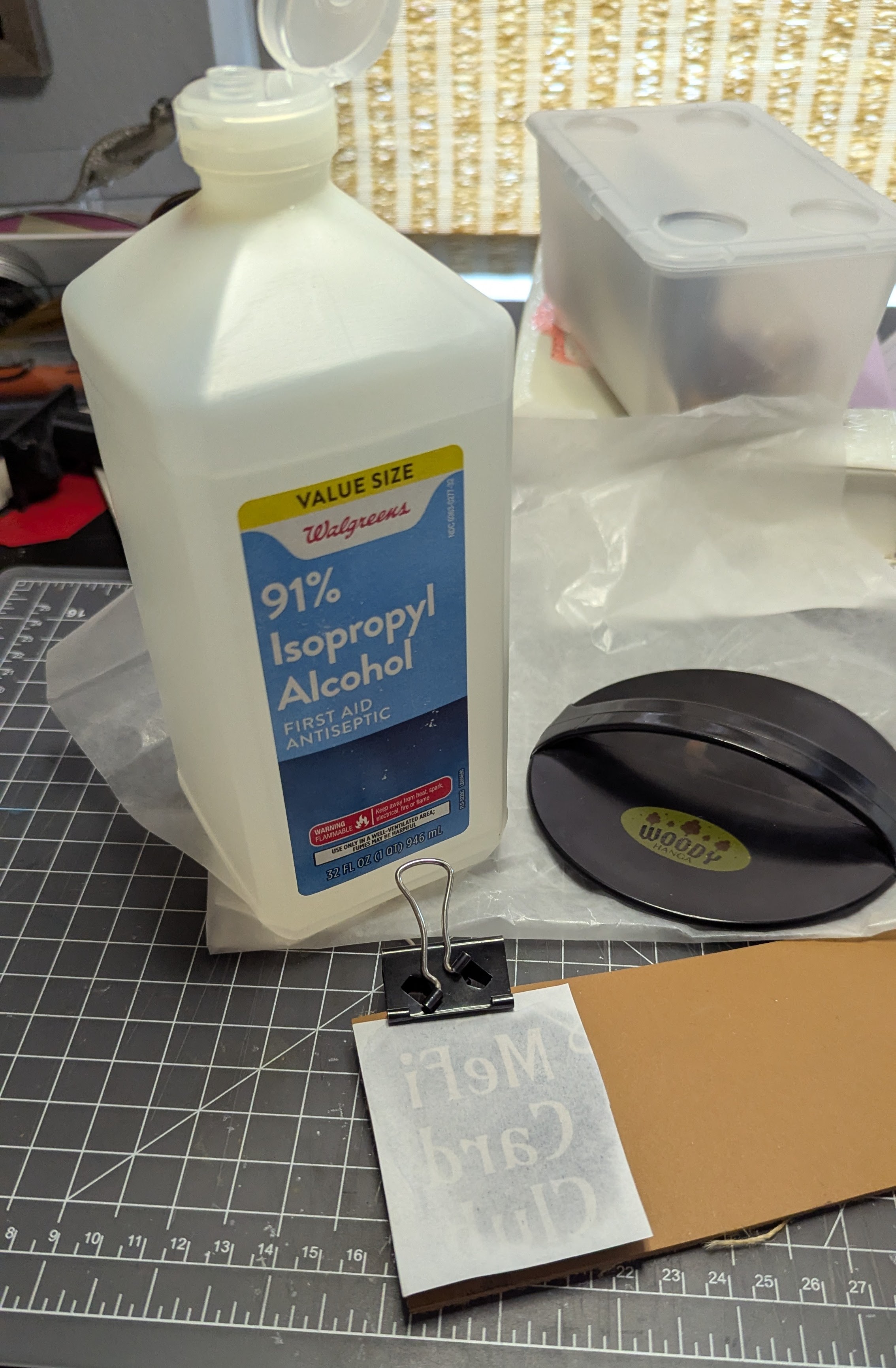
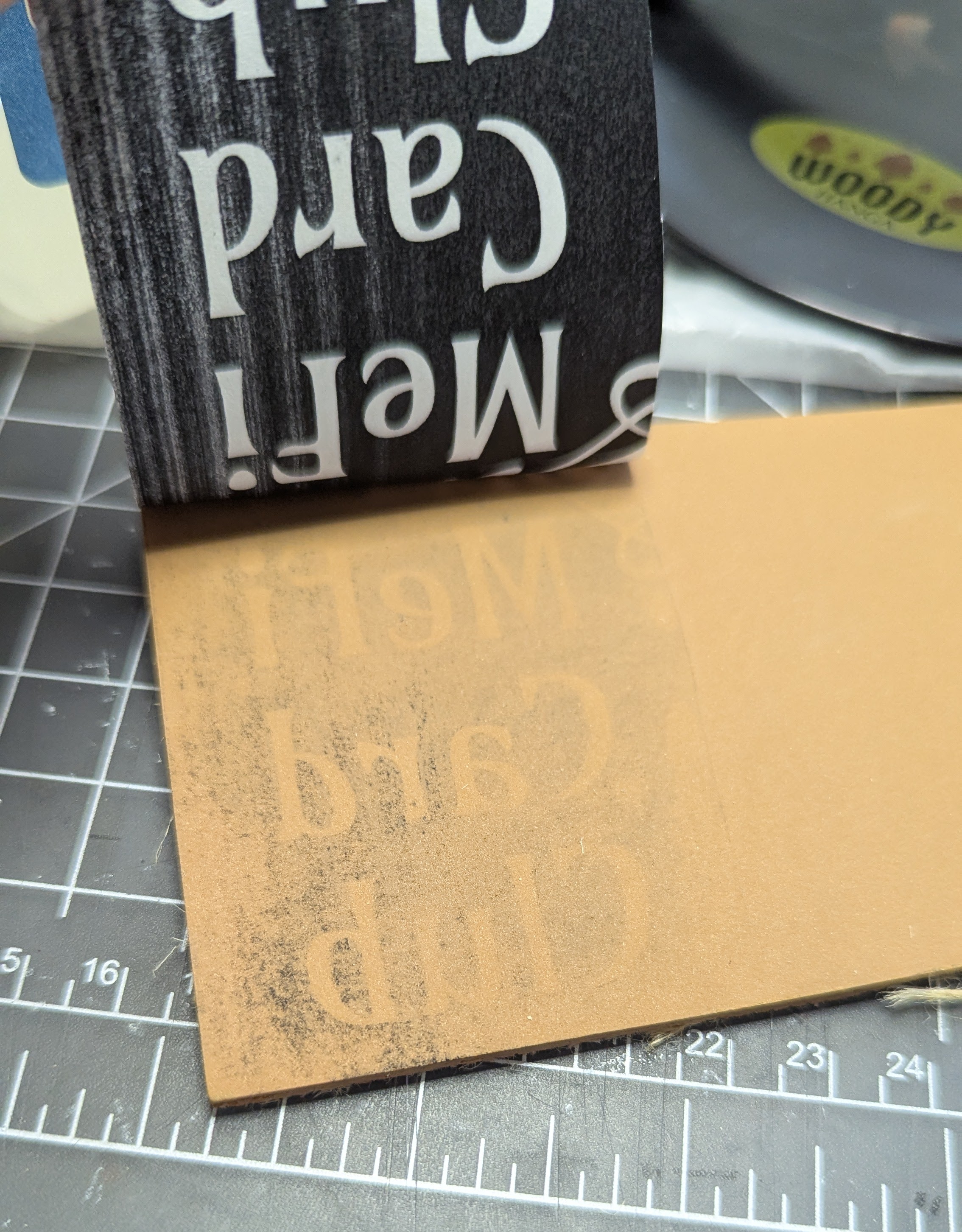
Next I will experiment with different colored coatings on the lino to see if a different surface might help the image transfer better.
Recent Links

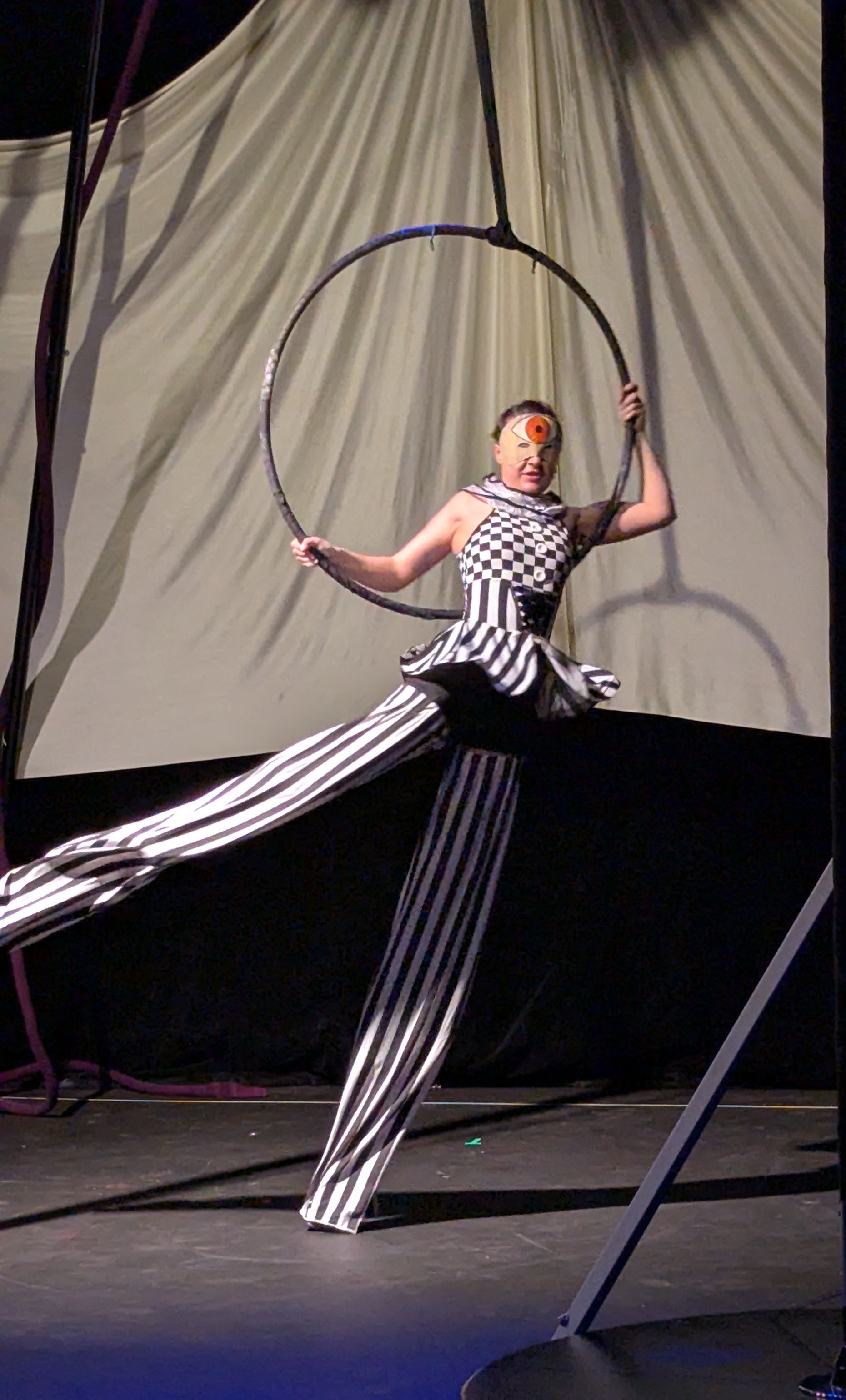
A dancer on stilts swinging around a lyar
Cyclops in Fly Unfeathered’s aerial dance adaptation of The Odyssey.

Call Me Comrade – Miriam Dobson – London Review of Books – During the Cold War, there were groups that encouraged letter writing between American housewives and Soviet women. Interesting look into the ways this changed the letter writers.

Fergus Macintosh, lead fact checker at the New Yorker, interviewed by Merve Emre – Fascinating. I thought I knew in a general sense what a fact checker did, but I didn’t realize the extent. There’s also an exercise in examining a sentence to find all the things that you think should be fact checked in it.

An exercise in creating art in the style of Bill Beckley – celine nguyen – try it yourself!

London’s Low-Traffic Zones Cut Deaths and Injuries by More than a Third – The Guardian – We have a few of these in the city, but they are all in places where traffic would already be low. The only places that drivers will allow them are places where drivers don’t go in the first place, usually neighborhood streets that are not through streets so the only traffic is from the 20 or so homes on the block. The article talks about a similar study of speed limits where it describes 20 mph as a slow, safe speed limit. If I go 17 miles per hour on my bike, someone will complain that it’s dangerous for pedestrians, but 20 in a car is perceived as “safe.”

Now available on Jstor, the digitizied diaries of the only woman, serving as a stewardess, on an 1890s steam ship.

José R. Ralat at Texas Monthly is the world’s only (known) full-time Taco Editor. One of the common questions he gets is how he does the job in Texas without driving.